XPENG Eyes UK Launch for Iron Humanoid Robot and Robotaxi Services as Part of Physical AI Push
XPENG, the Chinese electric vehicle manufacturer expanding into robotics and autonomous systems, is positioning its Iron humanoid robot for a potential entry into the UK market.
Published
Last updated / Fact-checked on
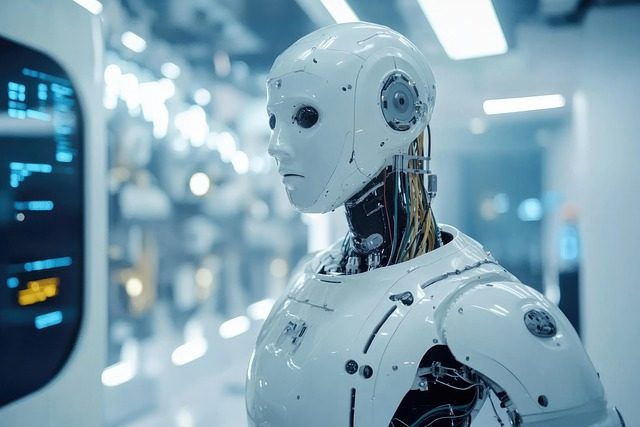
Illustrative photo; it is not a picture of the companies, products, or places named in this article. Photo on Pixabay, Pixabay Content License.
XPENG, the Chinese electric vehicle manufacturer expanding into robotics and autonomous systems, is positioning its Iron humanoid robot for a potential entry into the UK market. At its first UK Brand Day in mid-November 2026, the company outlined plans that go beyond electric vehicles to include robotaxis and humanoid robots, signaling a broader strategy for physical AI ecosystems.
UK Expansion Strategy
During the event, XPENG's vice chairman and president Brian Gu detailed ambitions for the UK. The company aims to establish around 100 retail and service locations by 2027, with three flagship stores opening in London and Manchester within six months. This network is intended to place an XPENG presence within about 30 minutes of most customers. Alongside five new right-hand-drive EV models, the plans include exploring the introduction of its Next Generation Pilot (NGP) intelligent driving system powered by VLA 2.0 by 2027, as well as robotaxi services and the Iron humanoid.
Gu emphasized that the same AI capabilities driving XPENG's vehicles enable development of robotaxis, humanoids, and new mobility forms. The UK is viewed as a key market where the company hopes to become a leading premium EV brand by 2028, while extending physical AI offerings.
Iron Humanoid Background and Specs
Iron is XPENG's humanoid robot, featuring a human-like form with soft skin, bionic muscles, and high degrees of freedom—reports cite around 76 to 82 DoF overall, with significant dexterity in the hands (up to 22 per hand in some descriptions). It is powered by three in-house Turing AI chips delivering up to 2,250 TOPS, running the company's vision-language-action and related models on-device.
Production progress includes the commissioning of an automated production line in Guangzhou in September 2026, where a unit walked off the line under its own power. More than 80% of core processes are automated, drawing on XPENG's automotive manufacturing expertise. Mass production is targeted for late 2026, with initial deployments in the company's own stores and facilities for roles like guided tours, shopping assistance, and patrols. Commercial launch and deliveries in China and overseas, including potential European markets, are slated for 2027, with some reports specifying H2 2027 for Europe.
A recent funding round for the robotics unit raised $900 million at a $6.3 billion valuation, supporting the commercial rollout. XPENG has noted higher expected margins on advanced humanoids compared to vehicles due to technical complexity.
Implications for Physical AI and Market
This UK interest aligns with a wave of humanoid activity in late 2026, including factory trials, funding rounds, and production starts by various players. Iron's integration with XPENG's autonomous driving tech positions it within a unified physical AI stack, potentially allowing shared learning between vehicles and robots. For the UK, which has a growing interest in automation and EV adoption, the entry of Chinese humanoids could accelerate competition with Western and other Asian efforts.
Challenges include regulatory approval for robotaxis and humanoids in public or commercial spaces, supply chain considerations, and demonstrating reliable real-world performance beyond controlled demos. Pricing, specific launch countries, and sales strategies for Iron remain undisclosed.
Conclusion
XPENG's UK Brand Day announcements highlight how EV companies are leveraging AI and manufacturing scale to enter robotics. Iron's path from production line walk-off to potential European deployments in 2027 underscores the rapid commercialization of humanoid robots. As more firms target 2027 for broader rollouts, the UK could see early tests of these systems in retail and mobility contexts, contributing to the evolving landscape of embodied AI.
Approximate word count: 620
Sources and References
- Robotics and Automation News, “XPENG expands UK operations with new EVs, humanoid robots and physical AI plans,” November 12, 2026.
- The Robotics Media coverage of XPENG UK Brand Day, November 14, 2026.
- RobotToday and Humanoids Daily reports on XPENG Iron European launch plans (H2 2027).
- Electrek, CnEVPost, and Humanoid.guide on Iron production line commissioning, September 2026.
- Venture Atlas and related summaries of Iron specifications and production targets.
Image sourced from Pixabay under the free Pixabay Content License. Article based on publicly available company statements and reporting as of November 14, 2026.
How this edition was merged
This story combines overlapping drafts prepared for DailyMech from the daily-mech GitHub repositories and the Claude and Gemini Drive folders. Where those drafts disagreed, the more specific figure is attributed to the source named in the copy. Figures that a draft already marked unverified stay unverified here.
DailyMech used AI tools to help research and draft this article; it was fact-checked by our editors.