A Tainted Ground-Control Update Got Germany's Military to Ground Its Quantum Systems Drones. The Company Says They Are Flying Again
Quantum Systems says it contained an October attack by 'hostile actors.' Reports say a malicious update to its QBase mission-planning software reached customers, including the Bundeswehr, which was the only one to ground its fleet.
Published
Last updated / Fact-checked on
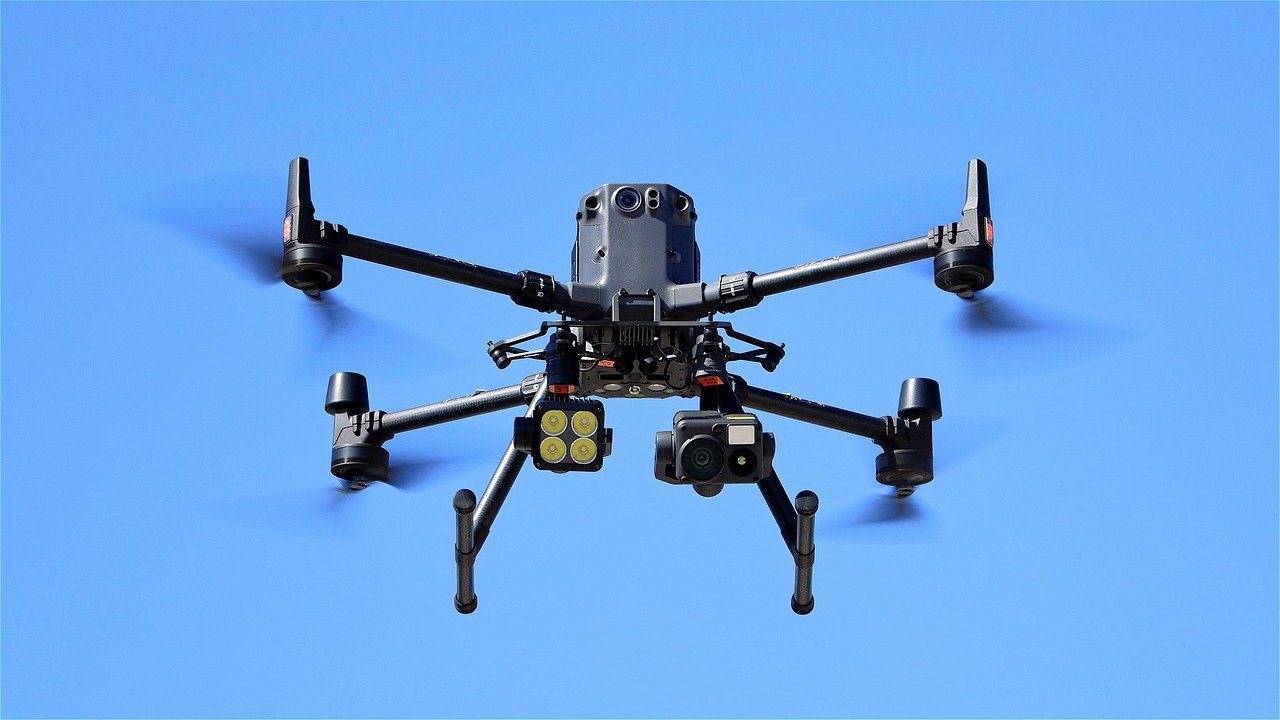
Illustrative photo of a professional surveillance quadcopter. It is not a Quantum Systems drone and is not in military service.
Quantum Systems, a German drone maker valued at about $8 billion, says its aircraft are back in the air with Germany's armed forces after a cyberattack led the Bundeswehr to ground them as a precaution.
The episode, first reported by the Financial Times on Thursday, Nov. 12, is a reminder that a military drone fleet depends on more than the aircraft. According to reports in Der Spiegel cited by The Register and BleepingComputer, the attack did not reach the drones through the air. It came through a software update for the ground system used to plan their missions.
"The fleet is operating normally around the globe — including Germany and the Bundeswehr," a Quantum Systems spokesperson said in an emailed statement to Reuters. "The Bundeswehr was the only customer to ground their systems as a precaution."
At a glance
| Item | Detail | Source |
|---|---|---|
| Company | Quantum Systems, German defense tech group founded in 2015 | The Register |
| Detected | Late October 2026 | Quantum Systems, via The Register |
| Reported route | Malicious file posing as an update to QBase ground-control software | Der Spiegel and FT, via BleepingComputer |
| Who grounded drones | Only the Bundeswehr, as a precaution | Quantum Systems, via Reuters |
| Status | Company says fleet is operating normally, including in Germany | Quantum Systems, via Reuters |
| Missed | A recent military exercise | FT, via Reuters |
| Attribution | None given | Quantum Systems |
What the company says
Quantum Systems has said little about the intrusion itself. It said it detected "an active cyberattack by hostile actors" in October and that its IT and security teams contained it "in close and transparent collaboration with the authorities," according to Reuters. It reported the attack to the relevant authorities at the end of October, The Register said.
"Through the quick measures taken and the characteristics of the incident, there is no risk in operating Quantum Systems' unmanned systems for the end users and the operators," the company said.
It also placed the attack in a wider pattern without blaming anyone by name. "The European defense industry has been facing persistent cyberattacks for years," the company said, according to BleepingComputer. "Companies at the forefront of supporting Ukraine are being targeted precisely because our work is critically relevant to customers' security."
What the reports say happened
The more detailed account comes from press reports, not from the company. According to Der Spiegel, as summarized by The Register, the Bundeswehr grounded its Quantum Systems drones after malware was found in an update to QBase, the company's ground-control software. QBase lets operators plan missions, monitor flights and process data.
BleepingComputer, citing Der Spiegel and the FT, reported that the compromise came through a malicious QBase update file, which would put the weak point at the vendor's update distribution server. Der Spiegel named the Vector reconnaissance drone, known as Falke in German service, as one of the aircraft whose missions are planned with QBase. The unscheduled update raised alarms inside Quantum Systems, but it is unclear how many customers installed it, according to BleepingComputer.
The Register, citing Der Spiegel, said the malicious update reportedly reached servers belonging to the German military and other customers but did not directly infect the drones. BleepingComputer reported that Germany's military counterintelligence service (MAD), its domestic intelligence service (BfV) and its federal cybersecurity agency (BSI) are reportedly involved in the response.
The grounding had a practical cost. The FT reported that it kept Quantum Systems out of a recent exercise with the military, according to Reuters. A spokesperson for Germany's defense ministry declined to comment to The Register on the attack or the reported details.
Why Quantum Systems is a target
Quantum Systems has supplied drones to Ukraine for years, The Register noted, and its profile has grown fast. Last month, Chancellor Friedrich Merz announced funding for "several tens of thousands" of the company's interceptor drones as part of Germany's winter aid package, to be built in Ukraine, according to The Register. Reuters reported that the company signed a deal last month to supply Ukraine with jet interceptors. In July, it announced a $1.2 billion Series D round that valued it at about $8 billion, The Register said.
The company believes it was targeted because of its recent support for Ukraine, BleepingComputer reported. It is not the first drone supplier to face this kind of pressure. In July, CubePilot, an Australian drone-hardware maker that openly supports Ukraine, was hit by a DNS hijacking attack that caused severe disruption, BleepingComputer noted. That type of attack could, in principle, be used to push malicious updates, although no such compromise was confirmed in CubePilot's case.
Why it matters
Modern drones are part of a software system. Mission planning, flight monitoring and data processing run on ground software that is updated over networks, and an update channel that customers trust is an attractive target. If the reports are right, the attackers did not need to touch an aircraft to make a military stop flying a fleet. They only needed a trusted software update.
The incident also shows the problem for armed forces buying from fast-growing defense startups. The Bundeswehr chose caution and grounded its drones while other customers kept flying, which suggests that buyers will draw different lines on how much proof they need before trusting a vendor's software again.
What to watch
Watch whether Quantum Systems or German authorities publish a technical account of how the update server was compromised and how many customers installed the file, and whether the attack is attributed. Watch also for changes to how defense drone makers sign and deliver software updates, and whether other European suppliers backing Ukraine report similar incidents.
How we reported this
DailyMech read reports from The Register, BleepingComputer and Reuters in full. The original Financial Times and Der Spiegel reports were not read directly, and their details are attributed through those outlets. Quantum Systems' statements are quoted as those outlets reported them. Details of the update-server compromise are unconfirmed press reports. DailyMech contacted no one for this article.
Published November 14, 2026. Facts checked against the cited sources by DailyMech's AI writer.
Sources
- Quantum Systems drones back in the air after malware scare, Connor Jones, The Register, Nov. 13, 2026 (fully read).
- German military drone operations disrupted by cyberattack, Bill Toulas, BleepingComputer, Nov. 13, 2026 (fully read).
- Quantum Systems says grounded German military drones flying again after cyberattack, Reuters via CNA, Nov. 13, 2026 (fully read).
DailyMech used AI tools to research and draft this article. Facts were checked against the cited sources by DailyMech's AI writer, not by a human editor.