Tutor Intelligence Raises $75 Million to Train Robots on Real Warehouse Work
The a16z-led Series B funds model training plus more Sonny and Cassie robots, with a goal of more than 1,000 robots under contract by the end of 2027.
Published
Last updated / Fact-checked on
Tutor Intelligence, a Watertown, Massachusetts, robotics company, said on November 2 that it raised a $75 million Series B led by Andreessen Horowitz, bringing its total funding to $117 million. The money will go toward training its robot foundation model and building and deploying more of its Sonny and Cassie warehouse robots.
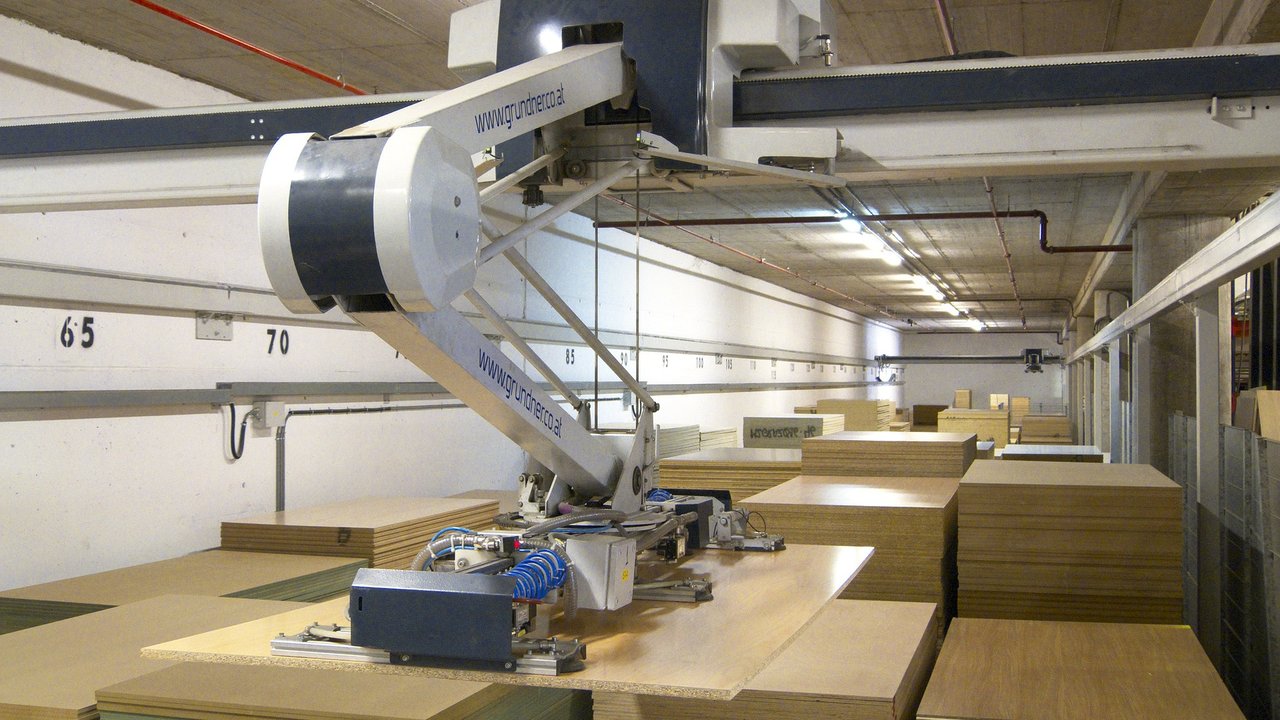
Photo: antoniohez / Pixabay
Union Square Ventures and Neo, which led Tutor's Series A and seed rounds, also took part, according to the company's Business Wire release.
The deal at a glance
| Item | Detail |
|---|---|
| Round | $75 million Series B |
| Lead investor | Andreessen Horowitz (a16z) |
| Other participants | Union Square Ventures, Neo |
| Total raised | $117 million |
| Robots | Cassie (one arm), Sonny (two arms) |
| Pricing | By the hour or by the pick, with no upfront purchase |
| Target | More than 1,000 robots under contract by end of 2027 |
Turning warehouse work into training data
Tutor deploys internet-connected robots into working production sites. Remote human operators, which the company calls "tutors," help the robots as they work. In the release, Tutor said every completed task generates "the real-world experience data that has been missing from the training equation," and that this data trains better models.
In its investment post, a16z said that approach runs the opposite way from most robotics startups. Those companies build a general model first and then look for a use. Tutor picked a customer need first and put hardware to work with remote tutors before it had a robot "brain." It then built its model from the deployment data.
That arrangement lets customers get value before the robots are fully autonomous. It also means the share of work done by humans versus the model matters, and neither source discloses that split.
Sonny and Cassie target different jobs
a16z said Cassie, the single-arm robot, handles case picking, palletizing and depalletizing. Sonny has two arms and more dexterity for individual picks, such as e-commerce fulfillment. Both run the same model. The Robot Report describes Sonny as a two-armed, semi-humanoid robot and Cassie as a mobile manipulator.
According to the release, the robots work in some of the largest U.S. manufacturing and logistics networks. They handle cereal, snacks, candy, cosmetics, home goods and toys.
Pricing like labor, not equipment
Tutor sells robot work "the way businesses already buy labor": by the hour or by the pick. Customers make no upfront purchase and sign no long-term contract. Tutor handles deployment and maintenance and sends software and model upgrades regularly. a16z said the model shifts spending from capital expense to operating expense, opening robotics to smaller manufacturers.
Growth claims and the 2027 target
The company reports several figures. These are Tutor's own numbers and were not independently audited:
- Its robots work in almost four times as many facilities as a year ago. The Robot Report adds that the company runs twice as many robots as a year ago.
- Nearly a third of organizations that received robots in the past 12 months were existing customers adding more, per a16z and the release.
- It says it is on track for more than 1,000 robots under contract by the end of 2027, all built in and deployed from the United States.
- a16z cited implementation times "as low as 8 hours."
What to watch
- Autonomy share. Whether Tutor reports how much work its robots do without a human tutor.
- Unit economics. Hourly and per-pick rates are not public, so cost against human labor cannot yet be compared.
- Fleet count. Progress toward the 1,000-robot goal, which would be a clear checkpoint before 2028.
For warehouse operators, the pitch is lower upfront risk. The open question is whether real-world data can cut the need for human help fast enough to make the economics work at scale.
More coverage is on our Artificial Intelligence hub.
How we reported this
DailyMech compared Tutor Intelligence's November 2 press release with Andreessen Horowitz's investment announcement and The Robot Report's coverage. Funding totals, investors, pricing terms and the 2027 target appear in Tutor's release. Growth and repeat-customer figures are company-reported. Neither Tutor nor a16z disclosed pricing rates or how much work the robots complete without human help.
Published and fact-checked November 2, 2026.
Sources
- Business Wire, "Tutor Intelligence Raises $75 Million Series B Led by Andreessen Horowitz…," Nov. 2, 2026: https://www.businesswire.com/news/home/20261102314852/en/Tutor-Intelligence-Raises-%2475-Million-Series-B-Led-by-Andreessen-Horowitz-to-Scale-Frontier-Robotics-Model-Training-Manufacturing-and-Deployment
- Andreessen Horowitz, "Investing in Tutor Intelligence," Nov. 2, 2026: https://www.a16z.news/p/investing-in-tutor-intelligence
- The Robot Report, "Tutor Intelligence raises Series B to scale model training, robot deployments," Nov. 2, 2026: https://www.therobotreport.com/tutor-intelligence-raises-series-b-to-scale-model-training-robot-deployments/
DailyMech used AI tools to help research and draft this article; it was fact-checked by our editors.