Google's Suncatcher Satellite Runs Gemma 4 on a TPU in Orbit and Sends Back a Haiku
Google calls it the first AI response from a data-center-class TPU in space. Radiation and thermal tests come next, then two linked satellites in 2027.
Published
Last updated / Fact-checked on
Google said on October 30, 2026, that its Project Suncatcher prototype satellite ran the Gemma 4 open model on a Tensor Processing Unit (TPU) in orbit and sent the answer back to Earth. The company calls it the first-ever AI response from a data-center-class TPU in space. The output was a haiku about being in space.
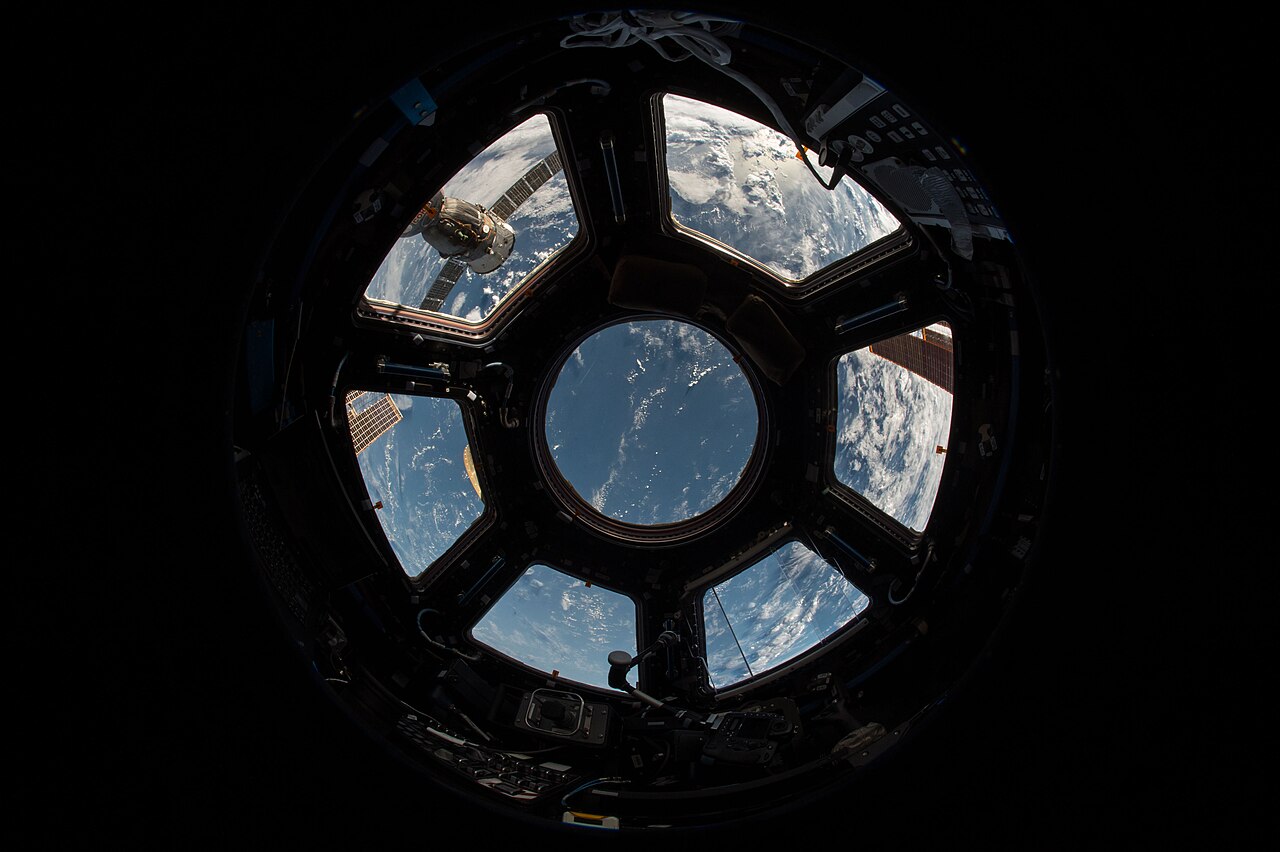
Image: Illustrative photo of Earth seen from the International Space Station's Cupola. NASA / Wikimedia Commons — Public domain
The 'Hello World' moment
Google launched the prototype on October 1 aboard SpaceX's Transporter-18 rideshare mission. It built the satellite in partnership with Planet. In the weeks after launch, Google said, its team worked through a commissioning checklist that included powering up the host and TPU trays and running early machine learning tests.
This week, during a ground-station pass, the team uplinked a prompt asking the onboard Gemma 4 model for a haiku about being in space. The poem came down as the satellite passed Svalbard, Norway:
Blue marble below / Data streams in silent grace / Starlight feeds my core.
Google then tried space-themed limericks and telemetry prompts that reported the technical status of the payload systems. "Our chips have officially earned their space wings," wrote Travis Beals, Google's senior director for Paradigms of Intelligence.
What Google is testing
Project Suncatcher, announced in 2025, is what Google calls a long-term research moonshot. It explores whether space could one day host scalable machine learning infrastructure. The draw is power: in low Earth orbit, Google says, satellites get near-constant sunlight and can generate up to eight times more solar power than on Earth.
The engineering problems are significant, and Google's September overview laid out the main ones:
| Challenge | What Google has done so far |
|---|---|
| Launch stress | Shook the satellite on all three axes. Launch loads reach up to 10 g, and individual chips can see 50 to 100 g |
| Radiation | Tested Trillium TPUs in a proton beam at UC Davis's Crocker Nuclear Laboratory. They survived a dose greater than a five-year mission would deliver |
| Cooling | No airflow in a vacuum, so Google is testing heat pipes and radiators, so far in a thermal vacuum chamber |
| Linking satellites | Future satellites would carry dozens of TPUs in clusters joined by high-bandwidth, short-range lasers |
Google stressed that ground tests only go so far. "Some things can only be tested in space," Beals wrote at launch. Next, the team will evaluate how the TPUs perform under thermal stress and radiation exposure in orbit.
Twin satellites in 2027
Google says verifying that TPUs can reliably run workloads in space "paves the way" for its next milestone: two interconnected satellites in 2027. That mission will test the laser links. Google compared the required precision to hitting a coin-size target from miles away while both points are moving.
Google has also published a peer-reviewed paper in the journal Joule detailing the research behind the mission.
Why it matters
Demand for AI computing is pushing companies to look past conventional data centers, and this is a concrete step rather than a concept. A data-center-class AI chip powered up in orbit, ran a modern open model and returned an answer.
It is also a small step. One satellite answering a handful of prompts is very different from a cluster running sustained, large-scale workloads. Google itself calls this "the long road ahead." Its announcements do not address whether orbital computing could ever compete on cost with data centers on the ground.
What to watch:
- In-orbit results on how the TPUs handle radiation and heat over time
- The 2027 twin-satellite mission, the first test of linking satellites with lasers
- Whether other providers pursue space-based compute
More coverage is in our Artificial Intelligence hub.
How we reported this
We checked the draft against Google's three Project Suncatcher posts. We added the haiku's exact text and the test results from Google's September overview, corrected an unsupported "November 2025" announcement date to 2025, and removed tracking parameters and leftover link icons.
Published and fact-checked October 30, 2026.
Sources
- Google: We've received our first response from the Project Suncatcher prototype satellite, Oct 30, 2026.
- Google: Our Project Suncatcher prototype satellite is in orbit, Oct 1, 2026.
- Google: Behind Project Suncatcher, our moonshot to put AI in space, Sep 24, 2026.
DailyMech used AI tools to help research and draft this article; it was fact-checked by our editors.