Wikimedia Tells Court AI Training Can Be Fair Use, but Chatbot Retrieval Should Respect Licenses
In a friend-of-the-court brief in the New York Times v. OpenAI litigation, the Wikipedia nonprofit backs neither side and asks the judge to treat training and retrieval differently.
Published
Last updated / Fact-checked on
The Wikimedia Foundation, the nonprofit that hosts Wikipedia, filed an amicus brief on October 30, 2026, in the consolidated copyright litigation against OpenAI. It argued that training AI models on copyrighted works can be fair use, but that chatbots retrieving and reproducing that content should not be. Under its proposal, AI products that ground answers in retrieved sources would have to follow each publisher's license.
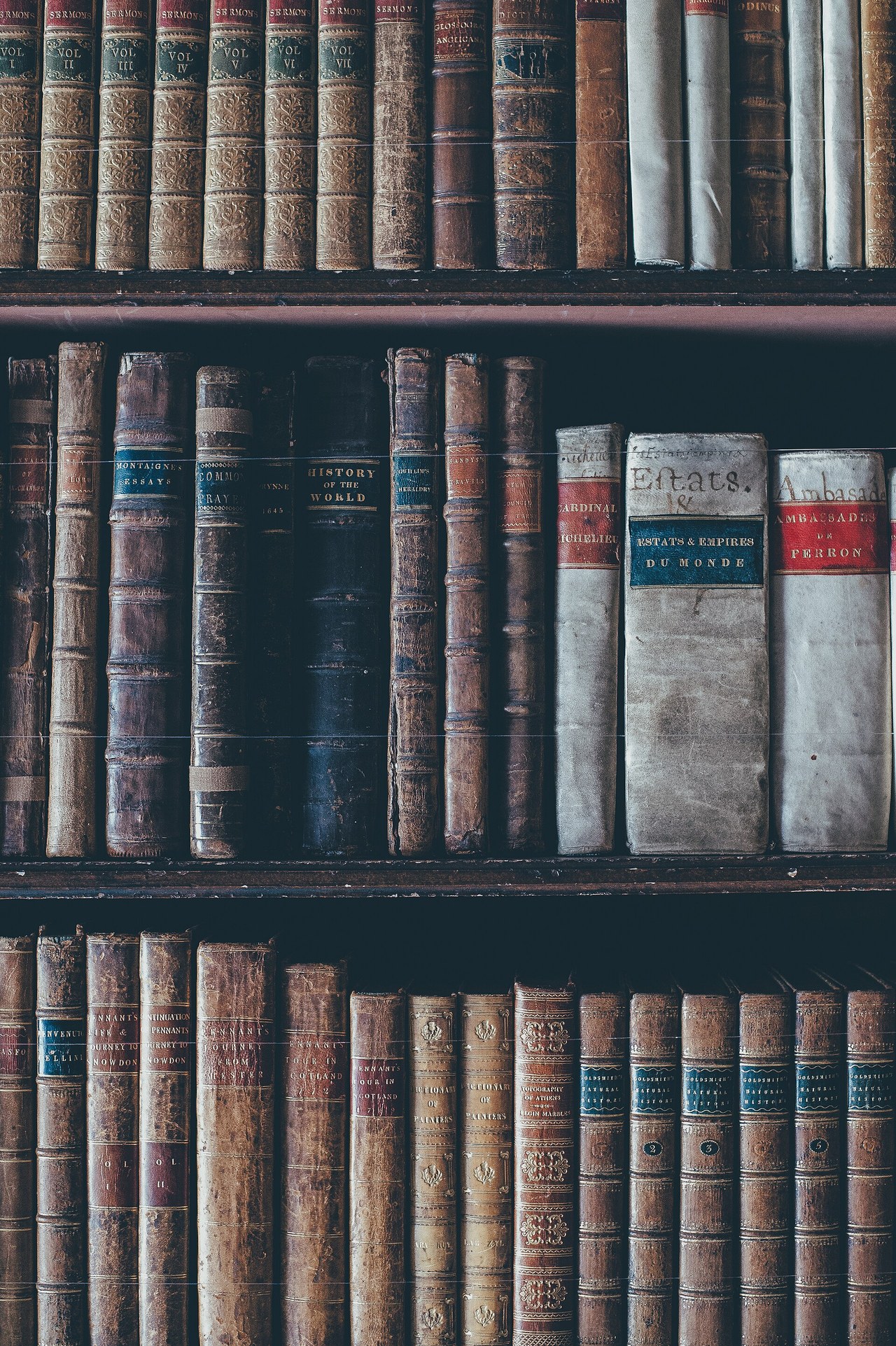
Image: Illustrative photo of antique books and encyclopedias on a shelf. Annie Spratt via Unsplash / Wikimedia Commons — CC0 1.0
What the brief asks for
The filing went to the U.S. District Court for the Southern District of New York in In re: OpenAI, Inc. Copyright Infringement Litigation. The case combines 12 lawsuits against OpenAI, the best known being The New York Times Co. v. Microsoft and OpenAI. The court will decide whether AI companies' use of copyrighted content to develop large language models is fair use.
Wikimedia says it is not taking the side of either OpenAI or The New York Times. Instead, it asks the court to look at how material is used rather than treating every AI use the same way.
| AI use | Wikimedia's position | Licensing obligation |
|---|---|---|
| Model training | Fair use when the model is "something new and different" from the sources | None required |
| RAG and similar "grounding" | "Should not be considered fair" | Respect each publisher's license |
| Scraping for either purpose | Must be sustainable | Follow public API rate limits or use Wikimedia Enterprise API |
Training versus retrieval
For training, the foundation argues that using copyrighted content should be considered fair if the resulting LLM is something new and different from the original sources. In that case, it says, there would be no requirement to meet copyright licensing terms.
Retrieval-augmented generation is treated differently. The foundation describes RAG as a process that finds and copies news content or other works from the web and then delivers that content back to users through a chatbot. For RAG and newer grounding techniques, Wikimedia argues that the use of copyrighted works "should not be considered fair." It says companies offering these features should respect each platform's or publisher's licensing requirements to avoid infringement.
For Wikipedia, that license is Creative Commons CC BY-SA 4.0. It requires credit to the original creators and requires adaptations to stay under the same license.
Why Wikimedia cares
Wikipedia has more than 67 million articles in 300 languages, and nearly 250,000 volunteers contribute each month, according to the foundation. Those volunteers depend on reliable sources such as news reporting. AI systems, in turn, rely heavily on Wikipedia.
General Counsel Stephen LaPorte wrote that both extremes carry risks. If training isn't fair use, AI development could become possible only for the largest companies, and open-source developers could be shut out. A blanket fair use ruling, on the other hand, could push publishers to lock information behind barriers. That would leave fewer sources for Wikipedia editors and reduce the visibility that brings in new volunteers.
"We are taking a position in this case to defend the free and open human knowledge that Wikipedia depends on," CEO Bernadette Meehan said. "Expanding access to knowledge through AI is a powerful goal, but it must respect the people, contributors, and communities that make reliable knowledge possible."
What it means
An amicus brief is not binding, and the court has not adopted Wikimedia's framework. But the brief adds a nonprofit voice to a case largely framed as publishers against AI companies. It also offers a middle path the judge could cite.
If courts drew this line, the effects would be practical:
- AI developers would keep broad room to train models but face licensing and attribution duties for search-style answers.
- Publishers would gain leverage where AI answers reproduce their work directly.
- Readers could see more attribution and links back to sources in chatbot answers.
More AI policy coverage is in our Artificial Intelligence hub.
How we reported this
We read Wikimedia's announcement and its general counsel's explainer in full. We specifically checked the RAG position because an earlier internal summary said the brief called both training and RAG fair use. That summary was wrong: the brief argues that RAG use should not be considered fair.
Published and fact-checked October 30, 2026.
Sources
- Wikimedia Foundation: The Wikimedia Foundation files to protect open knowledge in New York Times v OpenAI case, Oct 30, 2026.
- Diff (Wikimedia): Why Wikimedia Is Speaking Up in a Major AI Copyright Case, by Stephen LaPorte, Oct 30, 2026.
DailyMech used AI tools to help research and draft this article; it was fact-checked by our editors.