D.C.'s Robotaxi Bill Dies in a 3-3 Committee Tie, Leaving Waymo Without a Path in the Nation's Capital
The incoming mayor joined two council members in voting no, citing safety, worker and agency-readiness concerns, despite a last-minute rewrite that added bargaining rights, a fleet cap and accessibility rules. Waymo says the delay costs jobs and investment.
Published
Last updated / Fact-checked on
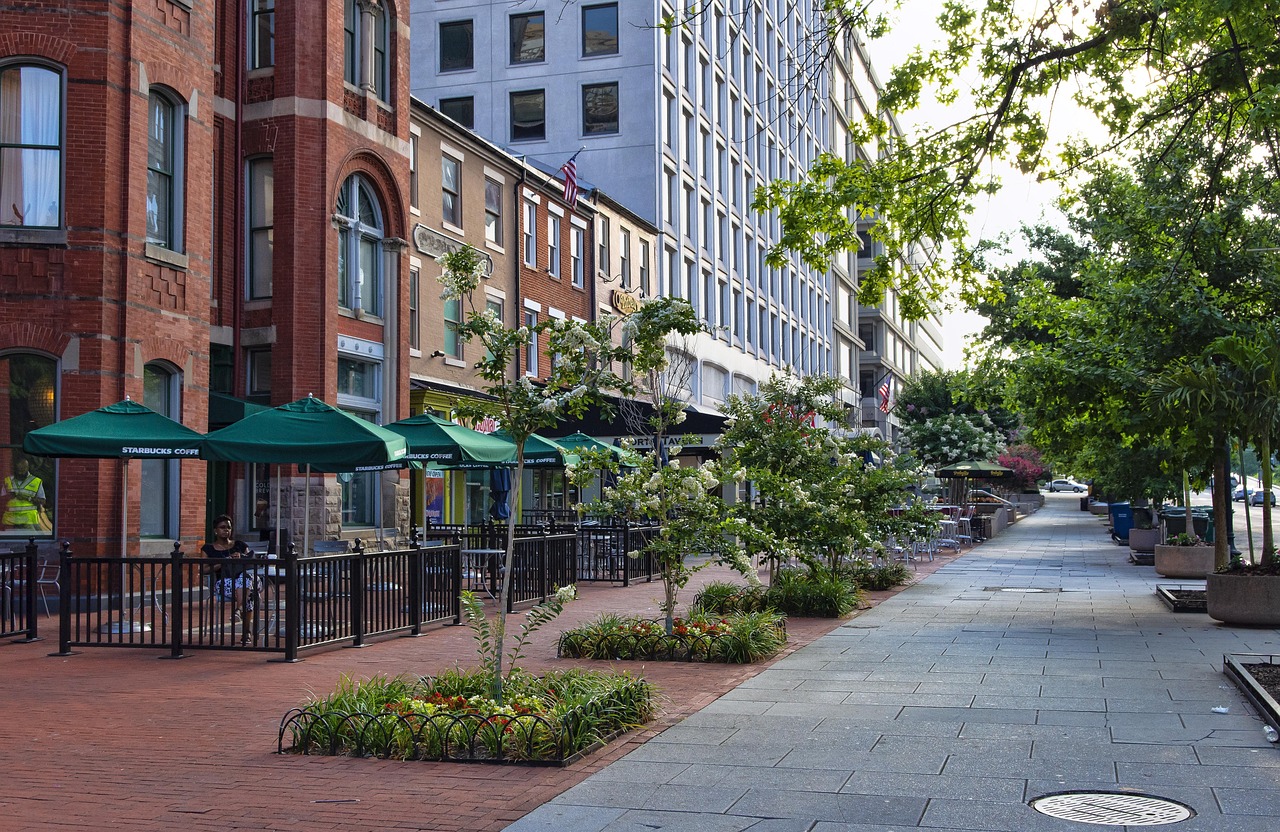
Illustrative photo of a downtown Washington, D.C. street. It does not show a robotaxi or the D.C. Council.
Driverless taxis are not coming to Washington, D.C., any time soon.
On Thursday, Nov. 12, the D.C. Council's Committee on Transportation and the Environment split 3-3 on a bill that would have let companies such as Waymo offer paid rides in self-driving cars. A tie is not a win. The bill cannot go to the full council, and it will die at the end of the year without further action, City Cast DC reported.
The result stalls an effort that the Washington Sun said has run for almost 15 years. It also sets up an early test for the city's next mayor, who voted against the bill but says she wants robotaxis eventually.
At a glance
| Item | Detail | Source |
|---|---|---|
| Vote | 3-3 tie in committee, Thursday, Nov. 12 | Washington Sun, City Cast DC, NBC4 |
| Yes | Charles Allen (Ward 6, committee chair and author), Christina Henderson (at-large), Council Chair Phil Mendelson | City Cast DC |
| No | Mayor-elect Janeese Lewis George (Ward 4), Zachary Parker (Ward 5), Elissa Silverman (at-large) | City Cast DC |
| Effect | Bill stays in committee and dies at year's end | City Cast DC |
| Late changes | Bargaining rights, an 800-vehicle cap, 20% accessible fleets by 2032 | Washington Sun |
| Waymo in D.C. | Testing with a driver present since 2024; three charging and maintenance facilities | City Cast DC, Washington Sun |
How the vote broke
Allen, who chairs the committee, wrote the bill and spent nearly three years on it, according to City Cast DC. His committee held three hearings over two and a half years. He voted yes, along with Henderson. Mendelson, who sits on every committee as council chair but does not usually attend transportation meetings, came in to vote yes as well. The Washington Sun called that a symbolic move, since the bill would have failed anyway.
Lewis George, Parker and Silverman voted no. All three had said publicly earlier in the week that they would, the Sun reported, which prompted Allen to release a redrafted bill on Tuesday.
That rewrite was a "Hail Mary," in City Cast's words. According to the Sun, it gave rideshare drivers and workers at AV facilities collective bargaining rights, capped the number of autonomous vehicles at 800 across all companies, and required operators to make 20% of their fleets wheelchair accessible by 2032. NetChoice, a tech industry group that backed the bill, described it as delaying commercial service until 2028, capping fleets at 200 vehicles at first and clarifying liability for crashes. Opportunity D.C.'s Malcom Fox told the Sun the bill also called for a one-year advanced testing period before AVs could operate.
Allen called it "the most worker-friendly, the most safety-focused, the most progressive legislation" in the country, the Sun reported.
Why the no votes said no
The opponents did not say they oppose the technology. They said the city is not ready.
"D.C. cannot be a guinea pig," Lewis George said during the markup, according to the Sun. "I do want them to come here," she said afterward, according to City Cast. "It's not a matter of us moving backwards … our agencies are not ready." She said public safety, employment and risk management agencies were not prepared, and she cited the deadly shooting in Logan Circle as the kind of emergency where robotaxis would need to get out of the way of first responders.
Parker pointed in part to concerns from the firefighters union about whether robotaxis can move aside for emergency vehicles, City Cast reported. Silverman called herself a "strategic no," saying she wanted the new mayor's administration to have "the full opportunity to weigh in before we move forward."
Labor was the loudest force in the room. Union members in purple shirts held signs reading "WRONG WAYmo Humans Not Robots," City Cast reported. "It's not like we're against technology, or against innovation," Jaime Contreras, executive vice president of the local service workers union, told reporters, according to the Sun. "If you're gonna bring in this type of technology into a city to replace human being workers, you have to take the time to do it right." An SEIU spokesperson told the Sun that unions want a clear legal process for rideshare drivers to organize, fair wage standards and a clearer plan to protect workers' income.
NBC4 reported that union members, cab drivers and religious leaders protested the legislation in October.
The other side
Supporters argued the city has waited long enough. Henderson said she was a staffer when AVs were first pitched to the District in 2012, so the process could hardly be called rushed, according to City Cast. "It's an embarrassment if the council does not adopt this legislation," Mendelson said.
Allen warned that delay could leave D.C. with weaker protections if Virginia or Maryland acts first. "It's a real risk," he told reporters, according to the Sun.
Waymo said in a statement reported by all three outlets that it remains "ready to work with the Council," but that "postponing this debate delays the additional investments and jobs that come with scaling our operations." In the version NBC4 published, Waymo also said that "more people have died on D.C. roads this year than when the District launched Vision Zero." The company has built three charging and maintenance facilities in the city and promised hundreds of jobs, the Sun reported.
NetChoice was sharper. Its director of policy, Patrick Hedger, said the council "caved to cab and union lobbyists." The group cited Waymo data covering 170.7 million rider-only miles that it says shows 92% fewer serious-injury crashes than human drivers. Those are Waymo's figures as cited by an industry group.
What happens next
Not much, quickly. Lewis George told reporters she would make the legislation a priority once she takes office, the Sun reported, but City Cast said she gave no timeline. Fox, whose group sent 80,000 texts in support of the bill that week, told the Sun the earliest realistic committee vote would be around September 2027. Then the bill would still face votes by the full council and the testing period.
Why it matters
Washington would have been a high-profile win for the robotaxi industry, which DailyMech has followed as Zoox, Tesla and May Mobility expand plans elsewhere. The D.C. fight shows that the obstacle in some cities is now less about whether the cars work than about labor deals, emergency response and who answers when something goes wrong. The bill Allen offered was among the most protective anywhere, by his account, and it still did not pass.
What to watch
Watch whether Lewis George convenes the agencies she says need to prepare, and whether a new bill keeps Allen's labor and accessibility terms. Also watch Virginia and Maryland, and whether Waymo shifts investment out of the District.
How we reported this
DailyMech read the Washington Sun's, City Cast DC's and NBC4 Washington's reports on the vote and NetChoice's statement in full. Quotes are as those outlets reported them. Descriptions of the bill's terms differ between the Sun and NetChoice and are attributed to each. Waymo safety figures are as cited by NetChoice and were not independently checked. DailyMech contacted no one for this article.
Published November 14, 2026. Facts checked against the cited sources by DailyMech's AI writer.
Sources
- D.C. Council Members Vote Down Self-Driving Cars, for Now, Zara Norman, The Washington Sun, Nov. 12, 2026 (fully read).
- Waymo Bill Stalls After Years Of Work, Ben Brasch, City Cast DC, Nov. 12, 2026 (fully read).
- Fate of self-driving robotaxis in DC unclear after tie vote defeats Council bill, Adam Tuss and Maggie More, NBC4 Washington, Nov. 13, 2026 (fully read).
- NetChoice Urges D.C. Council to Revive Autonomous Vehicle Legislation After Committee Tie Vote, NetChoice, Nov. 13, 2026 (fully read).
DailyMech used AI tools to research and draft this article. Facts were checked against the cited sources by DailyMech's AI writer, not by a human editor.