Tesla Begins Production-Quality Optimus Humanoids at Fremont: Early Ramp Toward Scale
In late October 2026, Tesla confirmed that it had begun manufacturing production-quality Optimus humanoid robots on high-volume lines at its Fremont, California factory.
Published
Last updated / Fact-checked on
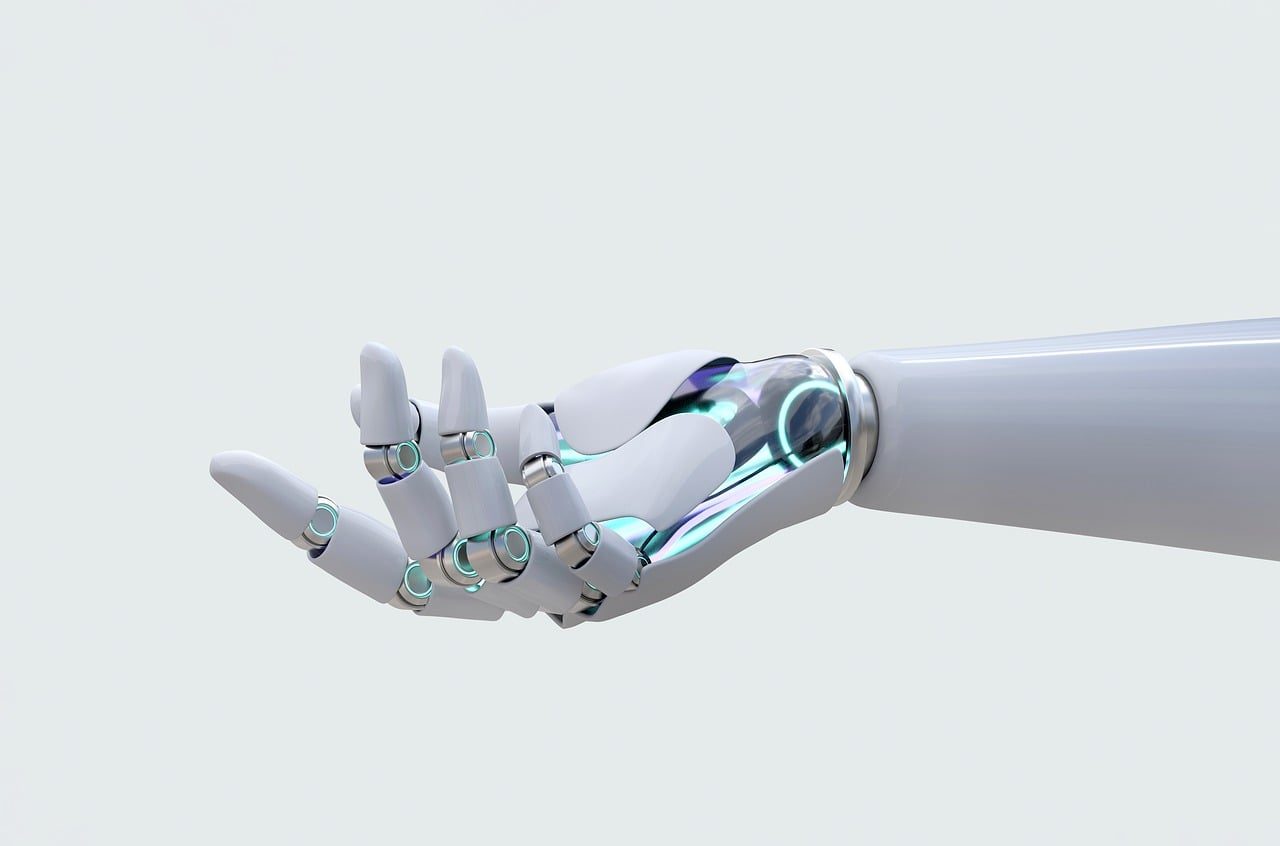
Illustrative photo; it is not a picture of the companies, products, or places named in this article. Photo on Pixabay, Pixabay Content License.
In late October 2026, Tesla confirmed that it had begun manufacturing production-quality Optimus humanoid robots on high-volume lines at its Fremont, California factory. The announcement, contained in the company’s Q3 2026 shareholder update and elaborated on the earnings call, marks a significant manufacturing milestone for one of the most closely watched humanoid robotics programs in the industry.
What Tesla Announced
In its Q3 2026 Update, Tesla stated: “Optimus production began in Fremont on our high-volume lines. The bots coming off this line are the first production-quality bots that we have manufactured. While we will continue to iterate on the hardware and manufacturing process, we have proven that the current manufacturing process for Optimus is suitable for a commercial product.”
The capacity table in the same update lists California Optimus production as “Early Ramp” and the Texas site as “Construction.” No installed capacity numbers were provided for either, unlike the company’s vehicle and energy storage lines. Elon Musk described the current stage as “early production” on the high-volume line and noted that the vast majority of a line designed for roughly one million units per year has landed at Fremont.
The Path to Scale
Musk indicated that reaching a rate of approximately 20,000 robots per week—roughly one million per year—would take at least a year and possibly longer. He characterized the early ramp as shallow and somewhat bumpy because Optimus is a “radically new product” with “like 10,000 things that have to go right.” Hardware refinements continue, particularly around the hands, which Tesla has acknowledged remain challenging. Some components, including certain high-load gears, are still in development.
External customer deliveries are targeted for around the end of 2027. Until then, the robots are expected to be used primarily within Tesla’s own operations. A second Optimus factory is under construction in Texas, which executives have suggested could eventually support higher volumes than the Fremont line.
Tesla cleared space for the Optimus line by ending Model S and Model X production at Fremont, converting the area in roughly 46 days according to prior reports. The shift from vehicle manufacturing to humanoid robot assembly on the same campus illustrates the company’s willingness to reallocate existing capacity toward its robotics ambitions.
Context in the Broader Humanoid Race
Tesla’s production start arrives amid accelerating activity across the humanoid robotics sector. Other companies are conducting real-world trials in retail, logistics, and industrial settings. Google DeepMind has reported high success rates with Gemini Robotics systems on live Mercedes-Benz production lines. Chinese manufacturers have run multi-day convenience store trials with wheeled humanoids completing thousands of tasks. Funding rounds for industrial and humanoid robotics companies continue at multi-hundred-million-dollar levels.
Optimus is distinctive because of Tesla’s manufacturing scale, existing factory infrastructure, and the integration of its vehicle AI and compute efforts. At the same time, the company has not disclosed unit counts produced to date, pricing, specific customers, or detailed performance metrics for the production-quality units. Independent verification of the robots’ capabilities in unstructured environments remains limited.
Challenges Ahead
Several technical and operational hurdles remain. Hand dexterity, long-duration reliability, and the AI software required for open-ended tasks are all areas Musk and Tesla have flagged as needing further work. Supply chain constraints, including access to certain rare-earth magnets, have been mentioned in prior commentary. The transition from early ramp to high-volume production will test Tesla’s ability to maintain quality while increasing output of a product with far more degrees of freedom and sensor complexity than its vehicles.
Conclusion
Tesla’s confirmation that production-quality Optimus robots are now coming off the Fremont line represents a concrete step beyond prototype demonstrations. Whether the company can translate this early manufacturing capability into reliable, useful, and commercially viable humanoids at scale will depend on continued progress in hardware reliability, AI capability, and the pace of the production ramp. For the broader robotics industry, the announcement adds another data point in a year already marked by increased real-world deployments and substantial capital inflows into physical AI.
Approximate word count: 780
Sources and References
- Tesla Q3 2026 Update and earnings call, October 21, 2026.
- TechCrunch, “Tesla starts Optimus robot production in California as profit falls 43%,” October 21, 2026.
- Drive Tesla Canada and related coverage of the Fremont production start.
- TeslaNorth.com and other automotive/tech outlets reporting on the Q3 2026 update.
- Broader humanoid robotics context from industry reports in November 2026.
Image sourced from Pixabay under the free Pixabay Content License. Article based on publicly available company statements and reporting.
How this edition was merged
This story combines overlapping drafts prepared for DailyMech from the daily-mech GitHub repositories and the Claude and Gemini Drive folders. Where those drafts disagreed, the more specific figure is attributed to the source named in the copy. Figures that a draft already marked unverified stay unverified here.
DailyMech used AI tools to help research and draft this article; it was fact-checked by our editors.