
Anthropic Unveils FlashProve to Verify AI Model Outputs Without Revealing Weights
Anthropic's open-source research prototype uses cryptographic proofs to show which model produced a response.
All stories
Every DailyMech story, newest first, 20 per page.
Anthropic's open-source research prototype uses cryptographic proofs to show which model produced a response.

TestingCatalog reports an unannounced model identifier in Codex usage analytics; OpenAI has not confirmed any GPT-6.2 Astra model.

The indie game platform frames the purge as spam enforcement, not a ban on AI-made games, and is adding Generative AI disclosure filters to search.
The Financial Times reports a verbal requirement for new contracts that Nvidia has neither confirmed nor denied.
OpenAI says the Codex-built system now runs its whole monorepo, cutting median push latency by nearly 5x and serving nearly a petabyte of Git data a day.
In a September 16 post, Sentient described how its coach model turned a grader flaw into a reusable skill.

Critical bugs in core products now pay up to $30,000, exceptional findings up to $172,000 with bonuses, and security firm Cathedral joins OpenAI's next sprint.
The deal would join Cresta's voice agents and real-time agent coaching with Service Cloud; The Information puts the price at $2.7 billion.

Developers ask plain-language questions about raw audio and get back probabilities, priced at $0.47 per million input tokens.
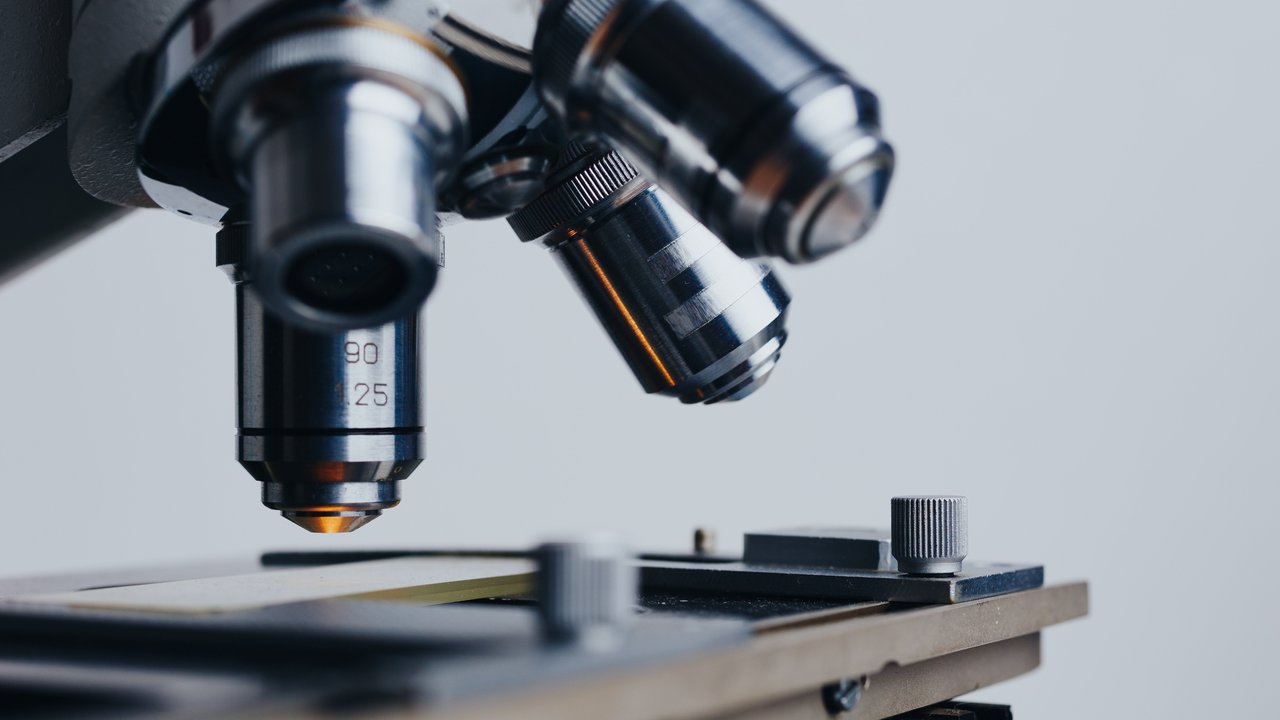
Researchers can query single cell data in plain language while a Claude-powered agent plans, runs and documents the analysis.
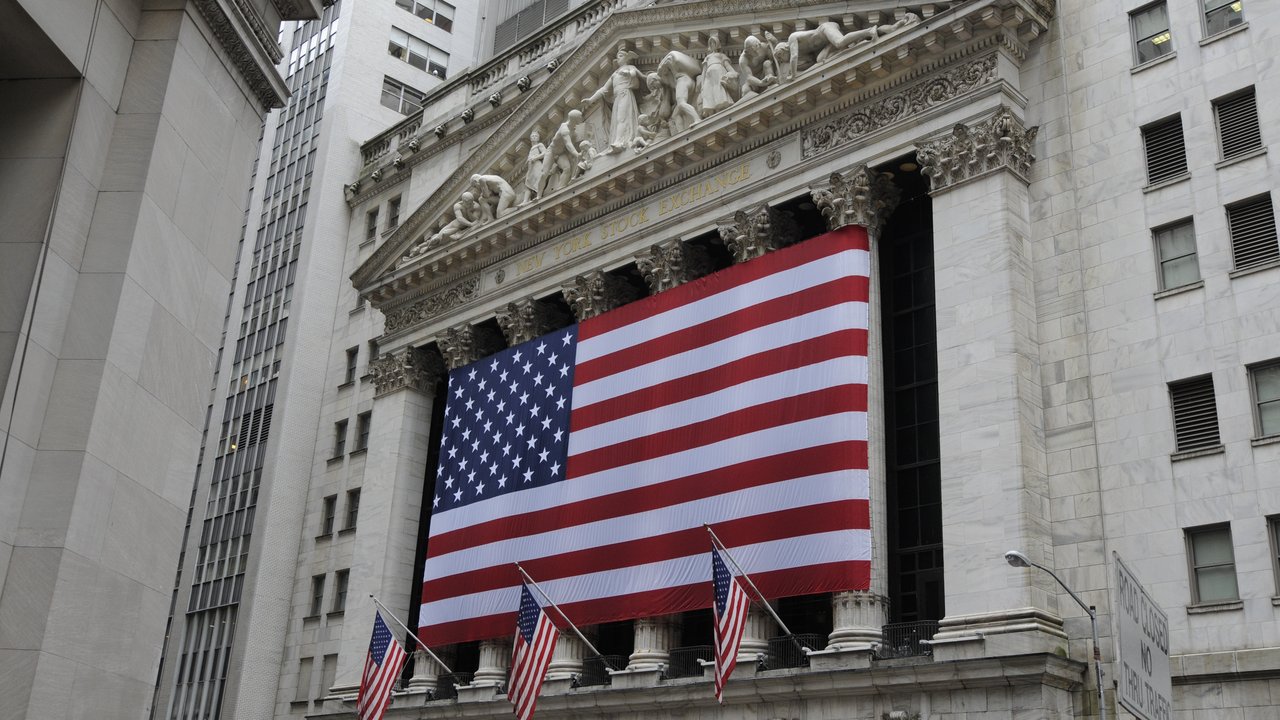
Big buyers cite the tech selloff and AI-spending doubts, The Wall Street Journal reports. Anthropic has not set a valuation, share count or date.
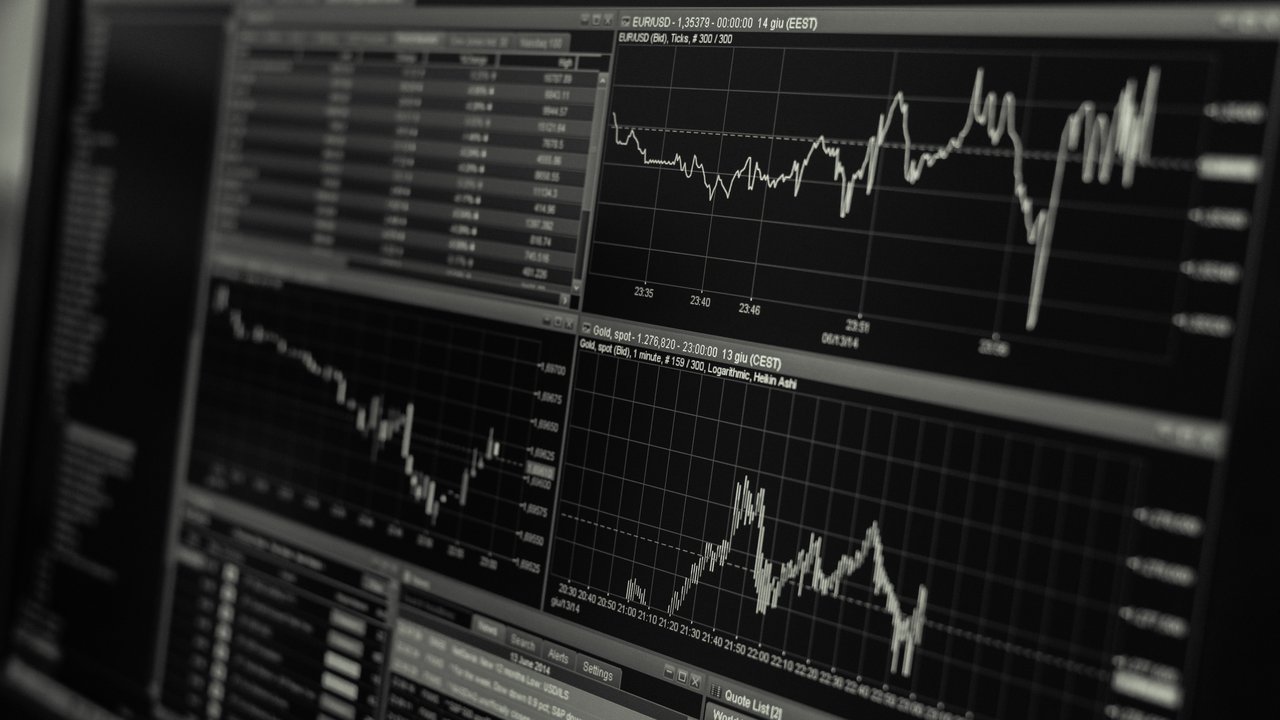
Internal guidance updated in October restricts Claude Code and Microsoft's GitHub tools after a productivity and risk review, Bloomberg News reports.
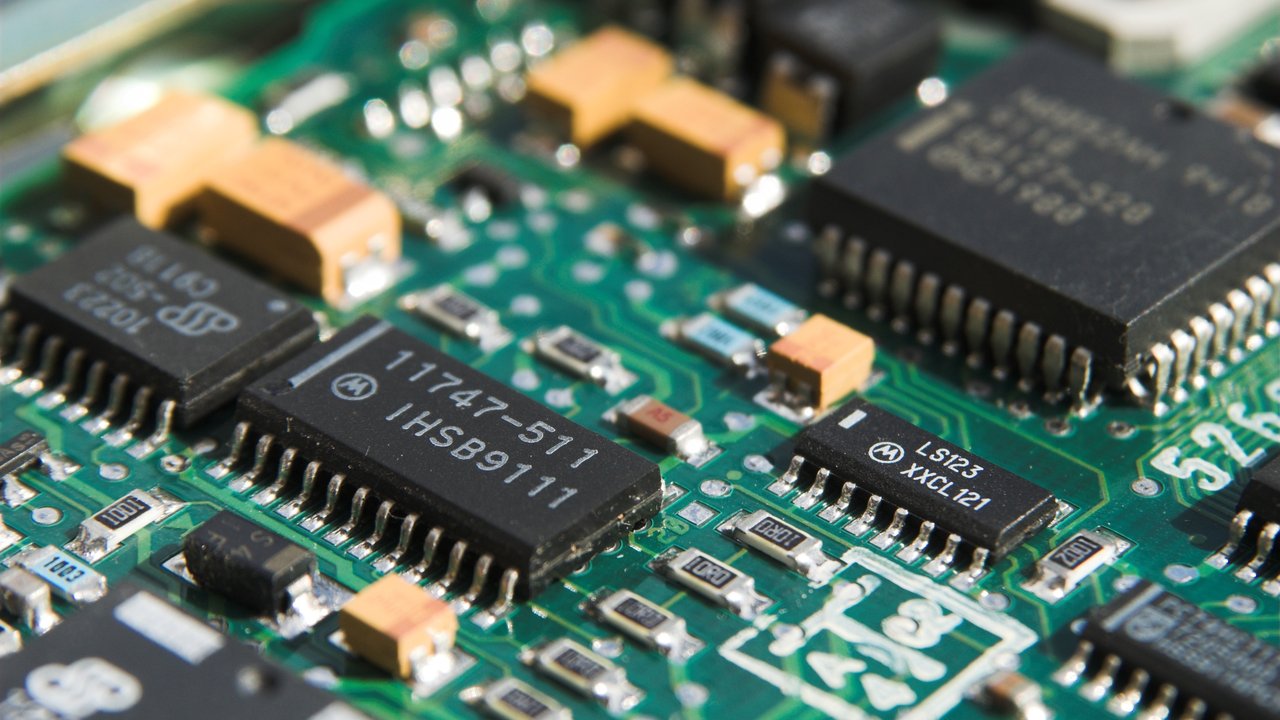
An edit to 0.016% of Qwen3.5-0.8B's weights lifted its MATH-500 score from 7.9% to 48.1%, according to a blog post from MIT CSAIL researchers. The results are not peer reviewed.

U.S. commercial revenue grew 148% to $984 million and passed U.S. government revenue for the first time, and Palantir raised its full-year guidance.

OpenAI's chief named energy as his biggest challenge, insisted humans must stay in control, and repeated a Navier-Stokes claim the Clay Institute has not recognized.

The Sequoia-backed startup says user corrections and edits can feed weekly model updates, with every change gated by the customer's own evals.

Viewers spotted the AI-made short by its clashing art styles, and one asked whether a boy in it was Ben from Cartoon Saloon's Song of the Sea.
The amended S-1 reportedly tells investors that internal estimates point to future models soon meeting a safety-policy threshold for AI-accelerated progress. No current model has been classified as past it.

The oil giant puts about SAR 9.9 billion in cash plus AI and computing assets into HUMAIN. PIF keeps 51% as the company targets 3 GW of data center capacity by 2030.

Apps sold as pet portraits and photo editors linked to a network of 400+ domains offering "nudify" tools. Apple, Google and Meta removed many after WIRED's inquiries.